
Product
The Price of the Next Bag: How Ma$anchara Costs Your Stock
2 min read
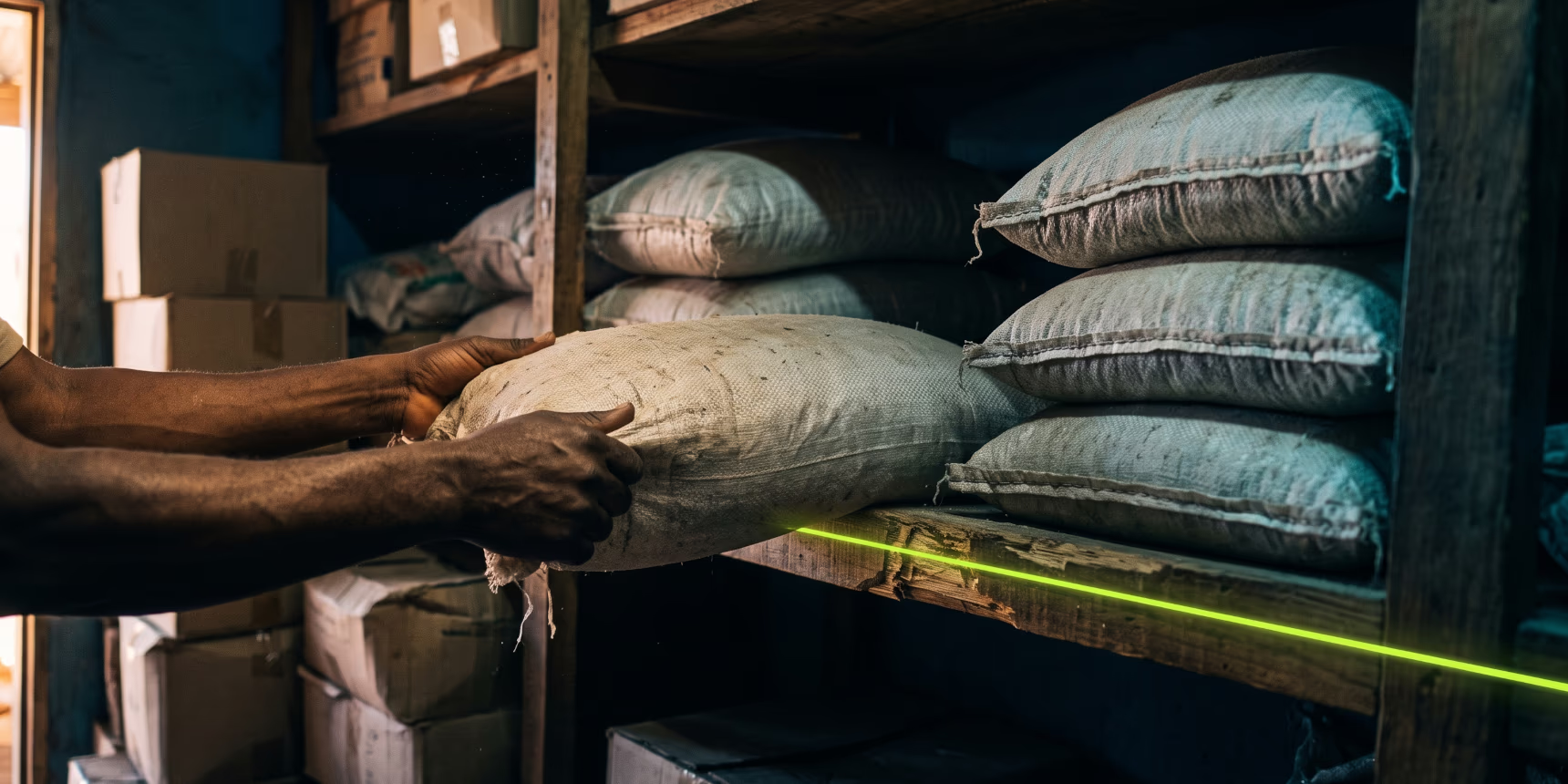
The price of goods is never still. Last week, a bag of rice cost you twenty-eight dollars. Today, the supply truck arrives, and the exact same bag costs thirty. You place both bags in the storeroom. When a customer walks in and buys one, which price do you use to measure your profit?
Ma$anchara gives you two ways to answer this question.
The first way is First-In, First-Out. Think of a physical shelf. You pull the older, twenty-eight dollar bags to the front. The newer, thirty dollar bags sit in the back. When a sale happens, the ledger assumes the customer took the oldest bag. It records that specific cost until the old stack is completely gone. This mirrors the physical world. It tells you the exact truth of what it costs to replace your stock in a shifting market.
The second way is the Weighted Average. Instead of looking at individual bags, you look at the whole room. You blend the old prices and the new prices together into a single, smooth number. Your profit margin stays steady, untroubled by the sudden jumps of the market. Underneath, the system still tracks the physical age of the stock, but the math gives you a calmer view of your money.
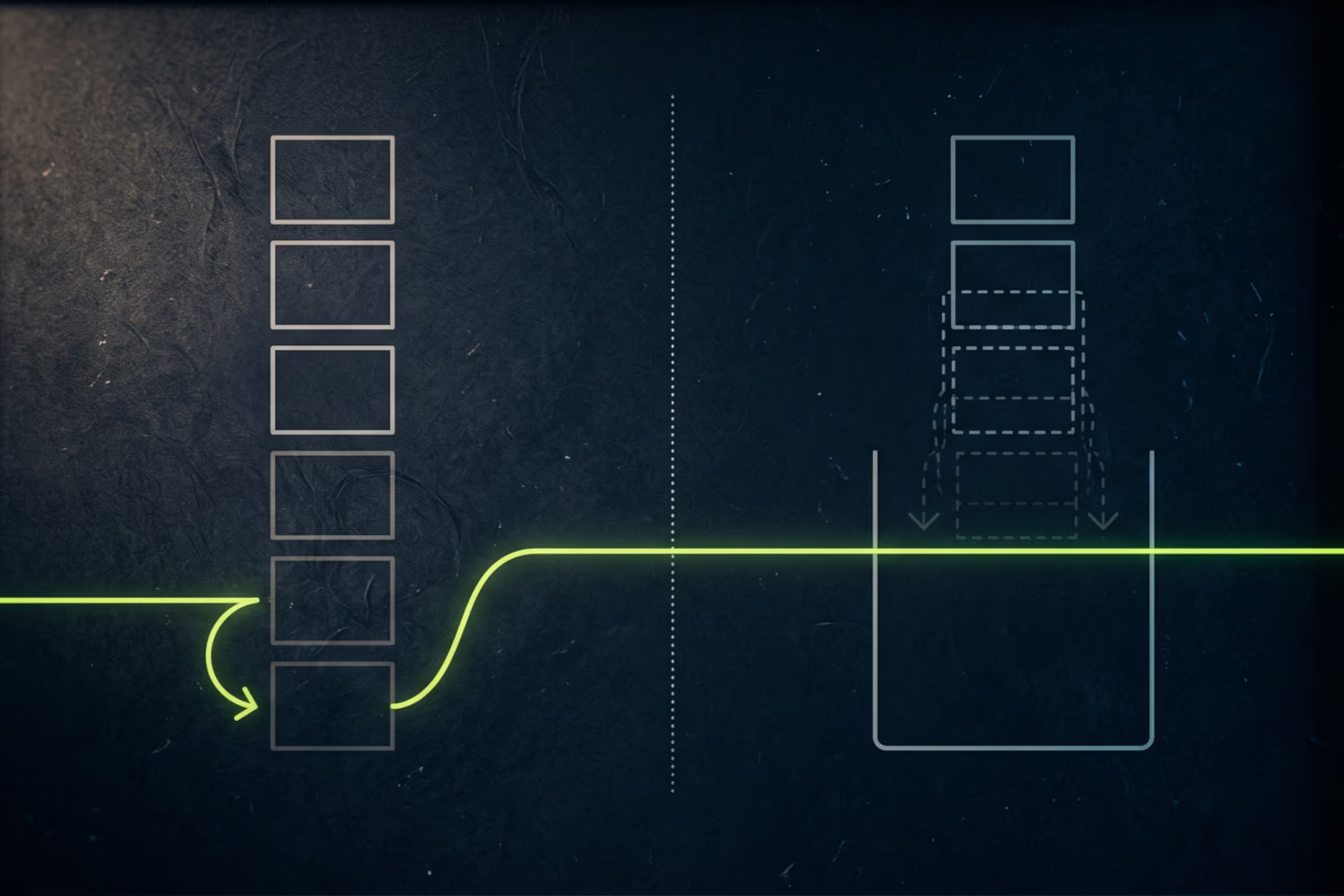
But regardless of the path you choose, there is one rule the system will not bend. You cannot sell what is not there.
If you try to ring up ten bags when only five sit on the shelf, the till will stop you. It will not quietly let your inventory drop below zero. It will raise its hand and declare an error. A ledger must match the physical world. If it allows you to invent ghost inventory, it ceases to be a ledger and becomes a lie.
Choose the precise truth of the single bag, or the smoothed average of the whole room. Either way, the foundation remains honest.